
Managing Cholesterol: Understanding the difference between “good” and “bad” fats. Leave a comment
In the journey toward optimal heart health, few topics are as frequently discussed—or as widely misunderstood—as cholesterol and fats. Often demonized as the primary villain in the story of heart disease, fat is actually an essential macronutrient that our bodies require to function. The challenge lies not in avoiding fat entirely, but in distinguishing between the types of fats that protect our cardiovascular system and those that compromise it.
At Intercare Pharmacy, we are dedicated to helping our community navigate the complexities of chronic disease management. Understanding the science behind cholesterol and dietary fats is a foundational step in preventing hypertension, heart disease, and metabolic disorders. This guide breaks down the science so you can make informed choices for a healthier heart.
What is Cholesterol? The Friend and the Foe
Cholesterol is a waxy, fat-like substance found in all the cells in your body. It is vital for producing hormones, vitamin D, and substances that help you digest foods. Your body makes all the cholesterol it needs, but you also obtain it from animal-derived foods.
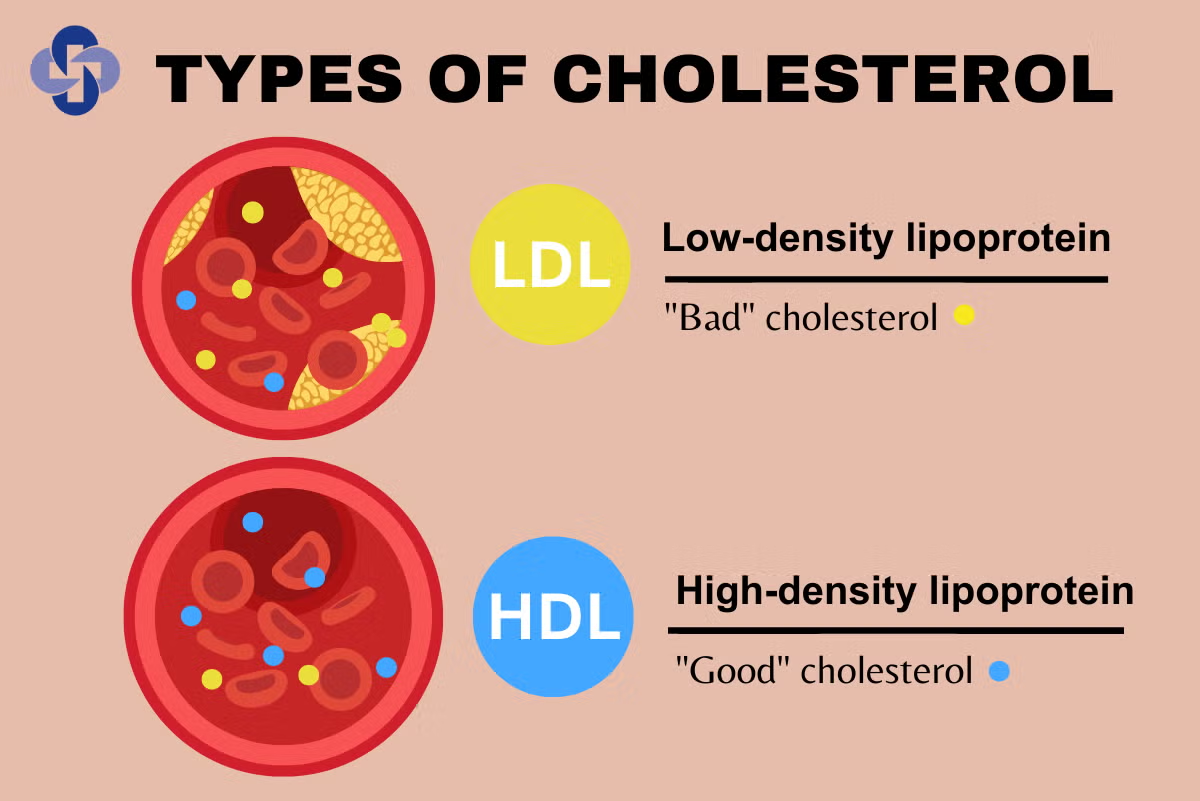
The trouble begins when cholesterol levels in the blood become too high, leading to the buildup of plaque in your arteries—a condition known as atherosclerosis. To manage this, you must understand the two primary “vehicles” that carry cholesterol through your blood:
- LDL (Low-Density Lipoprotein) – The “Bad” Cholesterol: LDL carries cholesterol to your arteries. If you have too much, it can build up on artery walls, narrowing the pathway for blood flow and increasing the risk of heart attack and stroke.
- HDL (High-Density Lipoprotein) – The “Good” Cholesterol: HDL acts as a scavenger. It picks up excess cholesterol in your blood and takes it back to the liver, where it is broken down and removed from the body.
The Fat Breakdown: Sorting “Good” from “Bad”
Your dietary intake has a profound impact on your LDL and HDL levels. Not all fats are created equal.
1. The “Bad” Fats: Saturated and Trans Fats
These fats are the primary culprits behind elevated LDL levels.
- Saturated Fats: Found primarily in animal products like red meat, butter, cheese, and full-fat dairy, as well as in tropical oils like palm and coconut oil. While they are a part of many traditional Kenyan dishes, moderation is essential.
- Trans Fats: These are the most dangerous fats. They occur in small amounts naturally, but the majority are artificial (partially hydrogenated oils) found in processed snacks, fried fast foods, and commercial baked goods. Trans fats simultaneously raise “bad” LDL cholesterol and lower “good” HDL cholesterol.
2. The “Good” Fats: Unsaturated Fats
These fats are essential for a heart-healthy diet. They can help lower your LDL levels when they replace saturated fats.
- Monounsaturated Fats: Found in olive oil, avocados, peanuts, and various nuts. These fats are excellent for maintaining the health of your blood vessels.
- Polyunsaturated Fats: Found in fatty fish (like salmon or mackerel), flaxseeds, and walnuts. These contain Omega-3 fatty acids, which have potent anti-inflammatory properties and support overall heart function.
Strategic Lifestyle Changes for Cholesterol Management
Managing your cholesterol levels is not solely about restricting your diet; it is about adopting a comprehensive approach to your lifestyle.
- Prioritize Fiber: Soluble fiber, found in oats, beans, lentils, and fresh fruits, acts like a sponge in your digestive system, binding to cholesterol and removing it before it enters your bloodstream.
- Regular Physical Activity: Exercise helps boost HDL (the “good” cholesterol) and improves the size of the particles that make up your LDL cholesterol, making them less harmful to your arteries.
- Consistency with Medication: For many, diet and exercise are not enough to bring cholesterol to safe levels due to genetic factors. If your doctor has prescribed statin medication or other lipid-lowering treatments, it is crucial to remain consistent. We provide reliable chronic medication support to ensure you never have a lapse in your treatment regimen.
The Role of Regular Screenings
Because high cholesterol, like high blood pressure, rarely shows symptoms, you cannot “feel” if your levels are dangerous. The only way to know is through a lipid profile test.
At Intercare Pharmacy, we emphasize the importance of regular health screenings. Knowing your numbers—your total cholesterol, LDL, HDL, and triglycerides—allows you to work with your healthcare team to create a targeted strategy. Whether that involves simple dietary swaps or a formal medical intervention, you are far better off knowing your status than leaving your heart health to chance.
Partnering with Intercare Pharmacy
Managing your cholesterol is a lifelong commitment, and you deserve a partner who understands the local context and your unique health needs.
- Professional Guidance: Our pharmacists can help you interpret your lipid panel results and explain how specific medications interact with your diet.
- Accessible Resources: From blood pressure monitoring tools to advice on integrating heart-healthy supplements, we provide the tools to make healthy living easier.
- Reliability: You can count on us for consistent prescription refills and clear communication regarding your treatment plan.
Conclusion: Take Heart
Understanding the difference between good and bad fats is a powerful tool in your wellness toolkit. By choosing unsaturated fats over trans and saturated fats, increasing your fiber intake, and staying active, you are actively protecting your cardiovascular system.
Don’t let your cholesterol levels become a silent threat. Take the first step today: visit Intercare Pharmacy for a consultation, a health check, or to discuss your current medication needs. Your heart works hard for you every second of the day—give it the support it deserves.
Disclaimer: This information is for educational purposes and should not replace professional medical advice, diagnosis, or treatment. Always consult with a qualified healthcare provider regarding your heart health and any changes to your diet or medication.
