
Chronic Pain Relief: Safe ways to manage long-term discomfort without over-reliance on meds. Leave a comment
Chronic pain—defined as pain that persists or recurs for more than three months—is a complex, draining condition that affects every facet of daily life. For many in Kenya, the default response to long-term discomfort is to seek immediate relief through painkillers. While medications are essential tools for many, they are not the only solution. Over-reliance on analgesics can lead to tolerance, side effects, and a missed opportunity to address the underlying causes of the pain.
At Intercare Pharmacy, we advocate for a holistic, multimodal approach to pain management. By combining evidence-based lifestyle changes with targeted support, you can reduce your reliance on pills and take a more active role in regaining your comfort and mobility.
The Complexity of Chronic Pain
Chronic pain is not just a physical sensation; it is a neurological and emotional experience. When pain persists, the nervous system becomes sensitized, meaning it may continue to signal distress long after the original injury has healed. Managing this requires a “toolbelt” strategy—using multiple techniques to address the physical, mental, and environmental aspects of your discomfort.
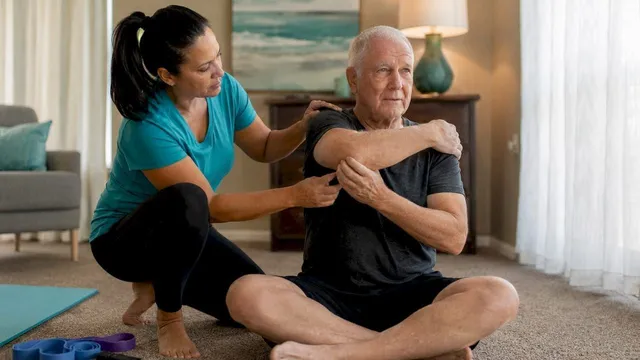
1. The Power of Movement: Gentle Exercise and Physical Therapy
It is natural to want to rest when you are in pain, but total inactivity often leads to muscle atrophy, joint stiffness, and increased pain sensitivity. The goal is to move safely.
- Low-Impact Aerobics: Activities like walking, swimming, or cycling encourage blood flow to damaged tissues, release endorphins (the body’s natural painkillers), and improve joint lubrication.
- Targeted Stretching: If your pain is related to posture or muscle tension (common in office work), specific stretches can relieve the pressure points that contribute to chronic discomfort.
- Professional Guidance: Before starting a new regimen, consult with a physiotherapist. They can design a program that addresses your specific needs without triggering a flare-up.
2. Nutritional Inflammation Management
Inflammation is a common driver of chronic pain, particularly in conditions like arthritis. What you eat can either fuel or dampen this inflammatory response.
- Anti-Inflammatory Foods: Increase your intake of omega-3 fatty acids (found in fatty fish, flaxseeds, and walnuts), turmeric, ginger, and a variety of colorful vegetables.
- Hydration: Proper hydration is vital for the health of your spinal discs and joint cartilage. Even mild dehydration can increase the perception of pain.
- Weight Management: Reducing excessive weight lowers the mechanical load on your knees, hips, and lower back, often resulting in significant pain reduction.
3. Cognitive and Mind-Body Techniques
Because pain signals are processed by the brain, your mental state plays a massive role in how you experience discomfort.
- Mindfulness and Meditation: Studies show that mindfulness meditation can change the brain’s perception of pain, helping you to disengage from the “suffering” component of the sensation.
- Deep Breathing Exercises: Chronic pain often causes us to hold our breath or breathe shallowly, which increases muscle tension. Conscious, deep diaphragmatic breathing signals your nervous system to “downshift” from fight-or-flight mode into a restorative, relaxed state.
- Sleep Hygiene: Pain causes insomnia, and insomnia lowers your pain threshold. Creating a sleep-conducive environment—cool, dark, and quiet—is critical for your body to repair itself.
4. Complementary Therapies
In addition to standard medical care, many patients find relief through:
- Heat and Cold Therapy: Heat (like a hot water bottle) helps relax tight muscles and improves circulation. Cold (like an ice pack) is highly effective for reducing acute swelling and numbing localized pain.
- Ergonomic Adjustments: Many Kenyans spend hours at desks or in vehicles. Small adjustments to chair height, lumbar support, and monitor placement can stop the repetitive strain that causes long-term back and neck pain.
The Role of Intercare Pharmacy in Your Pain Journey
We recognize that medication is a critical part of pain management for many patients, especially during flare-ups. However, our role extends beyond simply filling prescriptions. We are your partners in finding the balance between pharmacological support and long-term relief.
- Expert Counseling: Our team can help you understand the long-term effects of the pain medication you are using. If you feel you are becoming over-reliant, talk to us. We can help you transition to safer, more sustainable alternatives or coordinate with your doctor to adjust your plan.
- Accessible Resources: We stock a variety of health and wellness products—from heat patches and supportive braces to nutritional supplements—that can support your non-pharmacological pain management strategies.
- Holistic Support: We provide access to high-quality chronic medication when you need it, but we also emphasize the importance of regular monitoring. If your pain changes, or if you feel your current approach is losing its effectiveness, reach out to us. We are here to guide you toward the right medical resources.
When to Seek Specialized Care
While self-management is powerful, it is not a substitute for medical diagnosis. You should consult a physician if:
- Your pain is accompanied by fever, unintended weight loss, or severe night sweats.
- You experience sudden weakness, numbness, or loss of bowel/bladder control (this requires urgent medical attention).
- Your pain prevents you from performing basic daily tasks or sleeping for several consecutive days.
Conclusion
Chronic pain does not have to define your existence. By shifting the focus from “numbing the pain” to “supporting the body,” you open the door to a more sustainable quality of life. The path to relief is rarely a single pill; it is the combination of movement, nutrition, mindfulness, and the right professional support.
At Intercare Pharmacy, we are committed to your long-term health. We invite you to visit us to discuss your pain management goals, explore our range of supportive wellness products, or simply gain professional advice on how to reduce your dependence on medications while living a fuller, more active life.
Disclaimer: This article is for educational purposes only. It is not intended to replace professional medical diagnosis or treatment. Always consult with your doctor or healthcare provider before making significant changes to your pain management plan or discontinuing any prescribed medications.
