
Sun Protection: Why sunscreen is essential even on cloudy days in Kenya. Leave a comment
Sun Protection: Why Sunscreen Is Essential Even on Cloudy Days in Kenya
Living in Nairobi offers a beautiful, temperate climate, but it also presents a silent challenge to our skin health. Many of us associate sun damage only with blistering heat or clear, cloudless skies. However, as residents of a high-altitude city near the equator, we are subject to some of the most consistent and intense UV exposure on the planet.
At Intercare Pharmacy, we often encounter the misconception that if the sun isn’t “out,” you don’t need protection. The truth is that UV radiation is a constant presence, regardless of the weather. Understanding how to protect yourself is not just about avoiding sunburn—it’s about long-term skin health and preventing premature aging.
The Nairobi Elevation Factor
Nairobi sits at an altitude of nearly 1,800 meters. The higher you are above sea level, the thinner the atmosphere becomes, and the less protection you have from the sun’s harmful ultraviolet (UV) rays. Research shows that UV intensity increases significantly with altitude; every 300-meter increase in elevation can increase UV radiation by roughly 4-5%.
When you combine our high elevation with our proximity to the equator, the “sun strength” in Kenya is much more potent than in many other parts of the world. Even on a cool, overcast day in Nairobi, the UV Index can reach levels that require immediate protection.
The Myth of Cloudy Days
It is a common belief that clouds act as a shield, blocking out the sun’s harmful rays. In reality, clouds are not opaque. While they may block the “heat” (infrared radiation), they are often transparent to UV radiation. In fact, clouds can sometimes even reflect and scatter UV rays, potentially increasing your exposure.
The two main types of UV radiation are:
- UVA Rays: These penetrate deep into the skin, causing premature aging, wrinkles, and long-term DNA damage. They are present throughout the day, even when it’s cloudy or rainy.
- UVB Rays: These are the primary culprits behind sunburn and immediate skin reddening. While they are stronger on clear days, they can still filter through light cloud cover.
If you are outdoors and can see the sky, UV rays are reaching you. If you’ve ever noticed your skin feeling tight or red after a windy, overcast day, that is likely the result of UV damage, not “windburn.”
Sun Protection for Every Skin Tone
A frequent concern we hear at Intercare Pharmacy is that people with darker skin tones don’t need sunscreen. While higher melanin levels provide some natural protection against UVB-induced sunburn, they do not protect against UVA-induced damage.
UVA rays penetrate deep into the skin, contributing to photoaging, hyperpigmentation, and uneven skin tone. For many Kenyans, sun damage often manifests as stubborn dark spots or patches (hyperpigmentation) that are difficult to treat. Daily sunscreen is the most effective way to maintain an even complexion and prevent these issues from worsening.
Your Daily Sun Safety Checklist
Sun protection isn’t just about one product—it’s about a comprehensive strategy. Here is how you can stay safe:
1. Daily Sunscreen Application
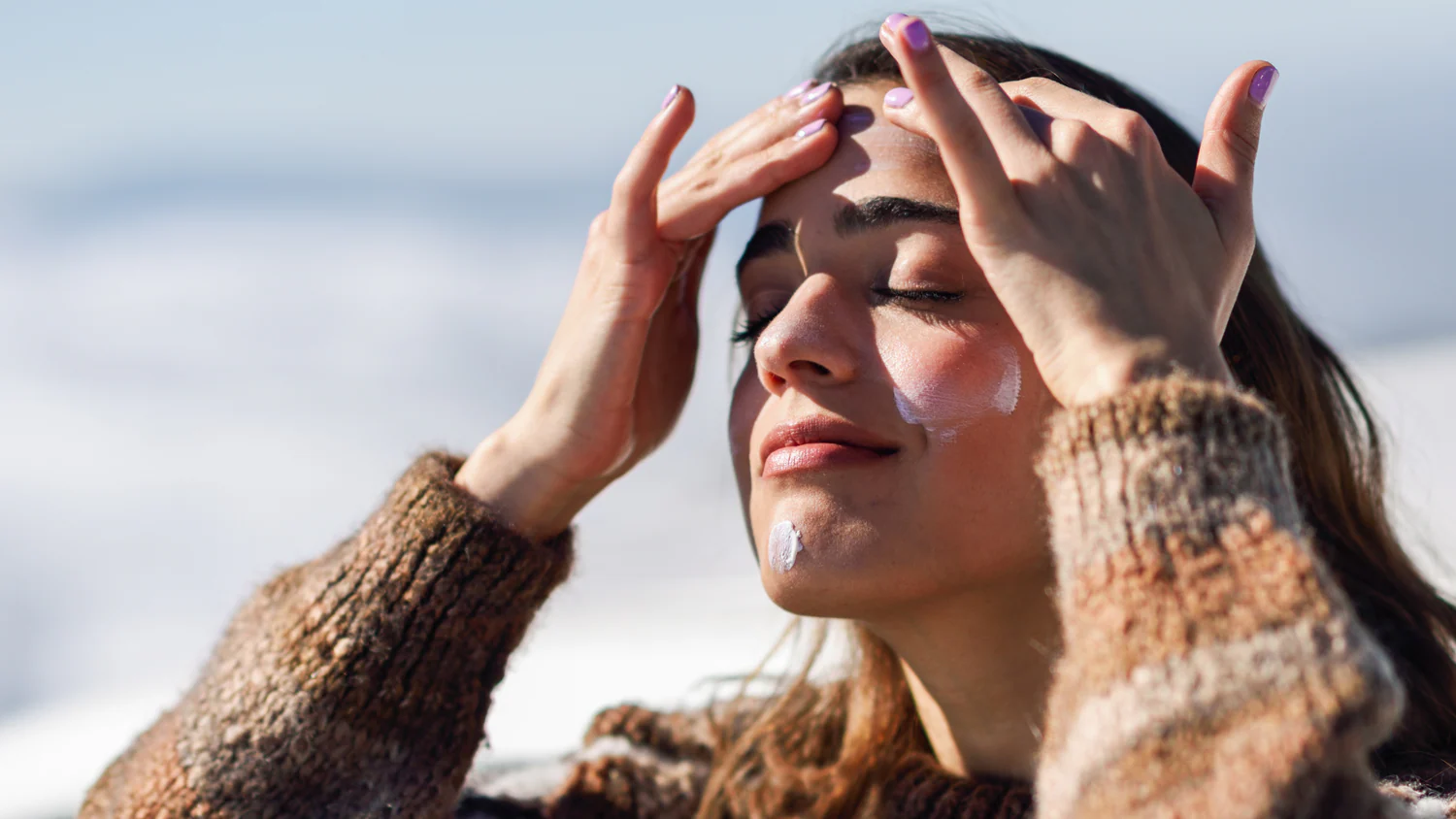
Choose a broad-spectrum sunscreen with an SPF of 30 or higher. “Broad-spectrum” means it protects you from both UVA and UVB rays. Apply it every morning as the final step of your skincare routine, even if you spend most of your day indoors or in a car.
2. Seek Shade During Peak Hours
In Nairobi, the sun is at its most intense between 11:00 AM and 3:00 PM. If you must be outside, try to stay under umbrellas, trees, or awnings. Remember that UV rays can reflect off surfaces like concrete, water, and glass, so shade isn’t always 100% effective—which is why sunscreen is still necessary.
3. Protective Clothing
When possible, wear long-sleeved clothing and wide-brimmed hats. Tightly woven fabrics provide a better physical barrier against UV rays than loose, thin materials.
4. Don’t Forget Your Eyes
UV radiation can cause cataracts and other eye conditions over time. Invest in high-quality, wraparound sunglasses that provide 100% UV protection.
How Intercare Pharmacy Supports You
At Intercare Pharmacy, we believe that protecting your skin is a form of preventive health. We are dedicated to providing the resources you need:
- Curated Sunscreen Selection: We stock a variety of broad-spectrum, non-comedogenic sunscreens that are specifically formulated for different skin types—including options that leave no “white cast” on deeper skin tones.
- Expert Advice: If you are unsure which SPF is right for your daily activities, our pharmacists can guide you to products that fit your lifestyle.
- Hyperpigmentation Management: If you are already struggling with sun-induced dark spots, we offer specialized skincare products and advice on how to manage and prevent further darkening.
- Health Screenings: Regular monitoring of your skin is important. If you notice any unusual moles, spots, or changes in your skin, talk to our team. We can provide initial guidance and refer you to professional dermatological services if needed.
Conclusion
Sun protection in Kenya is a year-round necessity, not just a “holiday” habit. Whether it is a bright, sunny afternoon or a cool, overcast morning, your skin is under constant exposure to UV rays. By making sunscreen a non-negotiable part of your daily routine, you are making a long-term investment in your health and appearance.
Visit us at Intercare Pharmacy today to find your perfect daily sunscreen and learn more about how to protect your skin from the unique environmental factors of Nairobi. Your future self will thank you.
Disclaimer: This article is for educational purposes only and does not replace professional medical advice, diagnosis, or treatment. Always consult a dermatologist if you have concerns about skin changes or specific skin conditions.
Do you have more questions about sun protection or hyperpigmentation?
I am here to help you build a routine that keeps your skin healthy and glowing. Would you like to discuss the specific ingredients to look for in a sunscreen, or perhaps learn more about how to manage dark spots caused by sun exposure?
