
Understanding Diabetes: Early warning signs every Kenyan should know. Leave a comment
In the evolving landscape of Kenyan health, non-communicable diseases (NCDs) have emerged as a significant public health challenge. Among these, diabetes mellitus stands out as a condition that, while manageable, is often shrouded in silence until significant complications arise. With the prevalence of diabetes in Kenya steadily rising—projected to impact millions in the coming years—it has never been more critical for every Kenyan to understand the early warning signs of this condition.
At Intercare Pharmacy, we believe that informed patients are the first line of defense against the long-term impact of chronic diseases. By recognizing the subtle shifts in your body’s health, you can take proactive steps to seek professional medical advice, get screened, and secure the care you need before the condition progresses.
The Rising Prevalence of Diabetes in Kenya
Recent data indicates that the prevalence of diabetes in Kenya is a growing concern. Driven by rapid urbanization, shifts in dietary habits, and increasingly sedentary lifestyles, the number of undiagnosed cases remains alarmingly high. Many Kenyans live with elevated blood sugar levels for years without realizing it, as the symptoms of Type 2 diabetes can be incredibly subtle during the onset.
Early detection is not just about medical records; it is about preserving your quality of life. Whether you are seeking chronic medication or routine health screening, knowing what to look for can save you from the severe complications of untreated diabetes, such as retinopathy, neuropathy, kidney disease, and cardiovascular complications.
10 Early Warning Signs You Should Not Ignore
Diabetes acts as a “silent” thief, slowly draining your body’s ability to use glucose effectively for energy. While everyone’s experience is unique, the following signs are common indicators that your blood glucose levels may require professional assessment.
1. Frequent Urination (Polyuria)
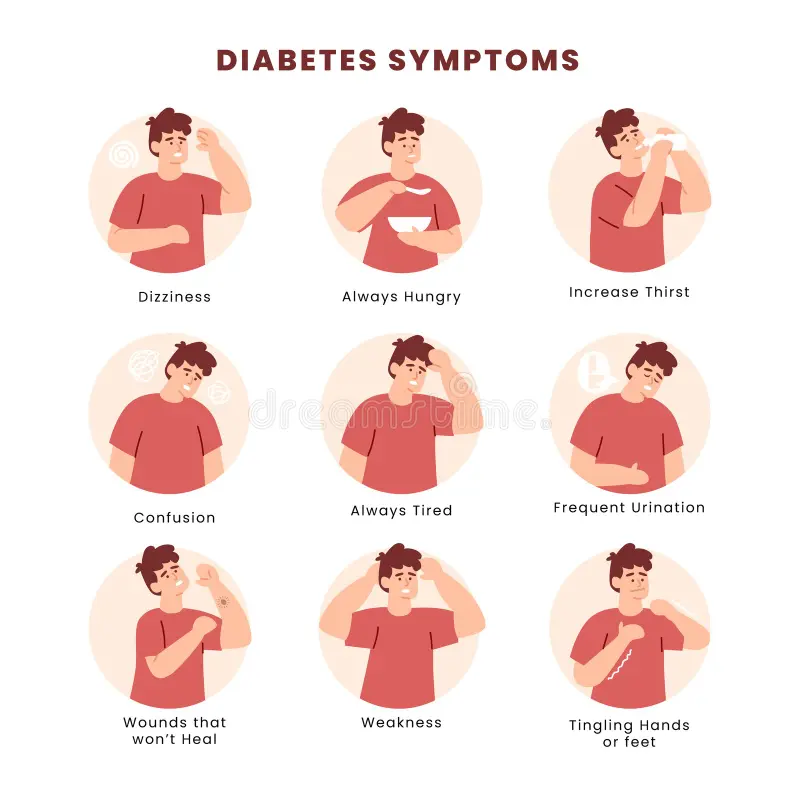
If you find yourself making constant trips to the bathroom—especially if this is waking you up multiple times during the night—it may be a red flag. Your kidneys are working overtime to filter out excess sugar, drawing water from your tissues to flush it out. If you notice a sudden change in your bathroom habits, it is time for a blood sugar check.
2. Excessive Thirst (Polydipsia)
Frequent urination inevitably leads to dehydration. Your body signals this by triggering intense, persistent thirst. If you find that no matter how much water you drink, your mouth feels dry or your thirst remains unquenched, your body may be struggling to maintain fluid balance due to high blood glucose.
3. Unexplained Fatigue
Glucose is the primary fuel for your body’s cells. When your body cannot effectively move sugar from your blood into your cells—either because of insulin resistance or a lack of insulin—your body’s systems are essentially starved of energy. This manifests as chronic lethargy, even when you have had adequate rest.
4. Sudden or Unexplained Weight Loss
In cases where the body cannot access glucose for energy, it begins to break down muscle and fat stores to compensate. If you are losing weight without trying (i.e., no changes in your exercise or diet), this is a significant clinical indicator that warrants an immediate visit to a healthcare provider.
5. Blurred Vision
High blood sugar levels can cause fluid to shift into the lenses of your eyes, leading to swelling. This changes the shape of the lens and impairs your ability to focus, causing blurred vision. If you notice your vision fluctuates throughout the day, do not dismiss it as “just tired eyes.”
6. Slow-Healing Wounds and Frequent Infections
Elevated glucose levels in the blood impair the immune system and damage small blood vessels, which hinders the body’s ability to circulate nutrients needed for repair. If you notice that minor paper cuts, bruises, or sores take weeks to heal, or if you are prone to recurring skin, gum, or urinary tract infections, see a professional at Intercare Pharmacy for testing.
7. Tingling or Numbness (Neuropathy)
Peripheral neuropathy is a common complication of long-term high blood sugar. Many people first notice a “pins and needles” sensation or numbness in their feet or hands. If you feel a burning sensation or a loss of sensitivity in your extremities, it is a sign that your nerves may be suffering from sustained hyperglycemic exposure.
8. Increased Hunger (Polyphagia)
Despite eating, the cells are not receiving the fuel they need, which keeps the body in a state of “starvation.” This can lead to intense, persistent hunger pangs, even immediately after a meal.
9. Itchy, Dry Skin
Poor circulation and dehydration can strip the skin of its moisture, leading to persistent itchiness. This is often ignored but, when combined with other symptoms, serves as a vital clue.
10. Darkened Skin Patches (Acanthosis Nigricans)
Sometimes, your skin provides visible proof of insulin resistance. If you notice velvety, dark patches of skin developing in your skin folds—such as the neck, armpits, or groin—this is a classic sign that your body’s insulin levels are struggling to stay balanced.
The Role of Intercare Pharmacy in Your Wellness Journey
At Intercare Pharmacy, we understand that the management of chronic conditions like diabetes requires more than just dispensing medication. It requires a partnership focused on education, accessibility, and quality care.
Why Choose Us for Your Diabetes Management?
- Expert Counseling: Our pharmacists are trained to provide guidance on medication usage, potential side effects, and how to integrate your treatment plan into your daily life.
- Chronic Medication Support: We ensure that you have reliable access to your prescribed medications, minimizing the risk of disruptions in your glucose control.
- Patient Education: We believe that you are the most important member of your healthcare team. We are committed to helping you understand how to monitor your blood sugar and recognize when to escalate concerns to a doctor.
- Reliability: In a world where consistent healthcare is vital, we strive to be a dependable resource for your family’s pharmaceutical needs.
Taking Action: What Should You Do Next?
If you recognize any of these symptoms in yourself or a family member, do not panic, but do not wait.
- Monitor: Keep a simple log of your symptoms for a few days. Note how often you are thirsty, tired, or visiting the restroom.
- Screen: Visit Intercare Pharmacy or your nearest medical clinic to request a blood glucose screening. It is a quick, simple procedure that provides immediate clarity.
- Consult: If your results indicate high blood sugar, follow up with a physician immediately. Early diagnosis can often be managed through lifestyle modifications—diet, exercise, and weight management—before intensive medication is required.
- Stay Informed: Continue to educate yourself about nutrition. Reducing refined sugars, increasing fiber intake, and staying physically active are the foundational pillars for every Kenyan to reduce their diabetes risk.
Conclusion
Diabetes is a formidable health challenge, but it is not an insurmountable one. By staying alert to the early warning signs, you give yourself the best possible chance to manage your health proactively. Whether you are looking for guidance on nutrition, chronic disease management, or simply have questions about your wellness, remember that you are not alone in this journey.
Your health is your greatest asset. Take control today by paying attention to what your body is trying to tell you. If you have any concerns, reach out to the team at Intercare Pharmacy—we are here to support your health and well-being every step of the way.
Disclaimer: This article is for informational purposes only and does not constitute medical advice. If you suspect you have diabetes or are experiencing symptoms, please consult a qualified healthcare professional immediately.
