
How to Dispose of Expired Medications Safely: A guide for households. Leave a comment
We often focus so much on the benefits of our medications—how they relieve pain, manage chronic conditions, or fight off infections—that we forget to consider the “end of life” of these products. What do you do when a bottle of syrup expires, a pack of tablets remains unfinished, or you find old medication hidden in the back of a drawer?
Far too often, the answer is to flush them down the toilet or toss them into the general bin. However, improper disposal of expired medicine is a significant public health and environmental concern. At Intercare Pharmacy, we believe that responsible medication management includes knowing exactly how to say goodbye to the drugs you no longer need.
Why Proper Disposal Matters
Medications are powerful chemical compounds. When they reach their expiration date, they may lose their potency, break down into less effective substances, or, in some cases, become chemically altered in ways that could be harmful.
Improper disposal carries three major risks:
- Environmental Contamination: When you flush medications down the toilet or sink, they enter our water systems. Wastewater treatment plants are generally not designed to filter out complex pharmaceutical compounds, which means these chemicals can end up in our rivers, soil, and even our drinking water, potentially harming local wildlife and human health.
- Accidental Poisoning: Throwing loose pills in the trash can be dangerous. Children or pets might find them, or individuals could accidentally consume them, leading to severe illness or overdose.
- Diversion and Misuse: Unused medication, particularly pain relievers or controlled substances, can be stolen or diverted for misuse if not disposed of correctly.
The Hierarchy of Safe Disposal
To keep your household and community safe, follow this hierarchy of disposal methods.
1. The Gold Standard: Pharmacy Take-Back Programs
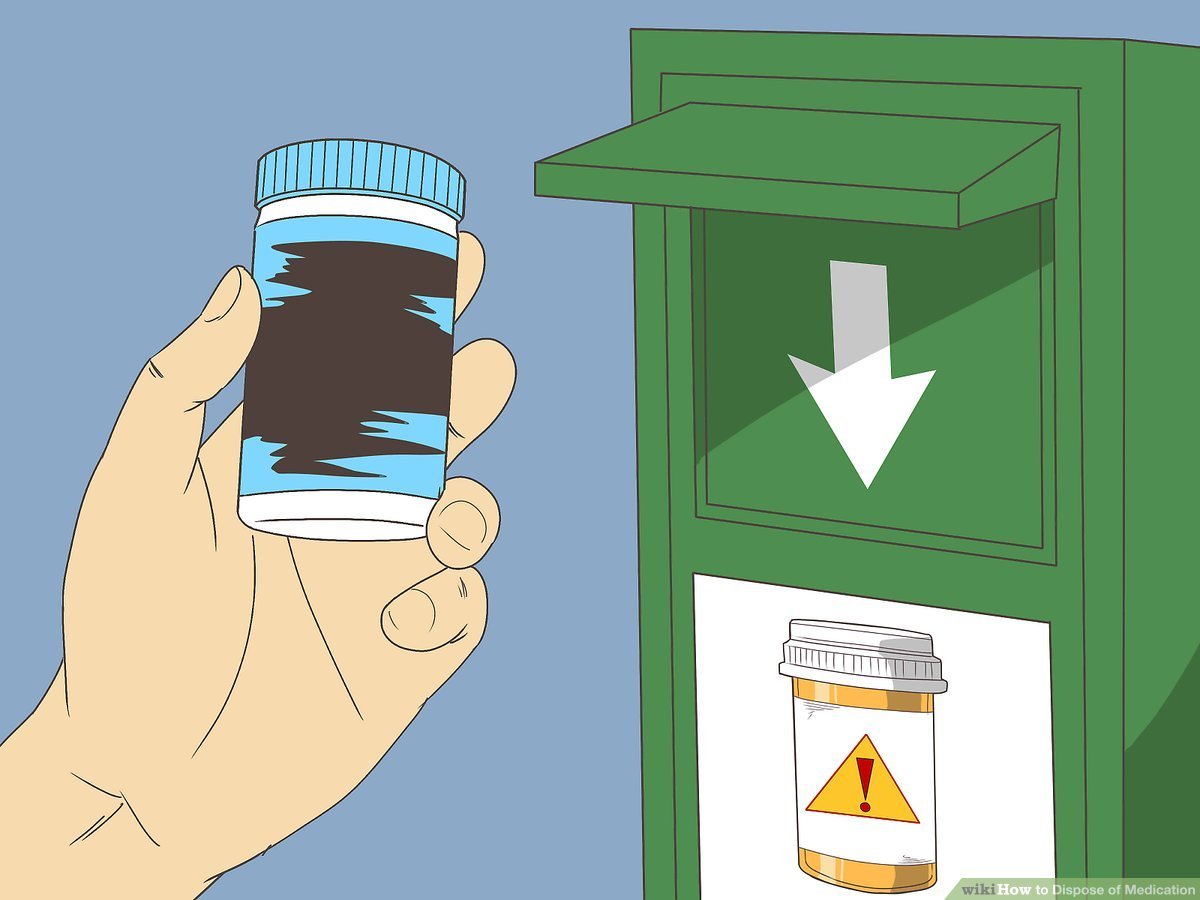
The safest and most effective way to dispose of expired or unwanted medication is to return it to a professional. Many pharmacies and healthcare facilities have protocols or collection bins for pharmaceutical waste.
- Action: Contact your local community pharmacy or the hospital where you receive care to ask if they accept unused or expired drugs. At Intercare Pharmacy, we are committed to community safety and can guide you on how to handle your specific medications.
2. Household Disposal: The “Mix and Seal” Method
If there is no take-back program available in your immediate area, you can safely dispose of most household medications in the trash by following these steps:
- Do Not Crush: Leave tablets and capsules intact. Do not break or crush them.
- Mix with “Unappealing” Waste: Combine the medication with something that makes it unpalatable and difficult to retrieve, such as used coffee grounds, cat litter, or sawdust.
- Seal It: Place the mixture into a sealable plastic bag or a container with a tight lid.
- Conceal Personal Info: Before discarding the empty medication bottles, peel off or scratch out all personal information—your name, prescription number, and the doctor’s details—to protect your privacy.
- Dispose: Place the sealed bag into your regular household trash.
What Should Never Be Flushed
Unless a specific medication label or your pharmacist explicitly instructs you to flush it (which is extremely rare and usually reserved for highly dangerous, specific controlled substances), never flush medication down the toilet or sink.
This rule is vital because flushing is the most direct path to water contamination. If you have any doubt about whether a specific medication is safe to flush, assume it is not and opt for the “mix and seal” method or consult us at Intercare Pharmacy.
Special Considerations for Specific Items
- Inhalers: Pressurized canisters (like asthma inhalers) should never be punctured, crushed, or incinerated, as they can explode. Place empty or expired canisters in the household trash, not in recycling bins.
- Topical Creams and Ointments: Do not pour these down the drain. Squeeze the contents into an absorbent material like paper towels, seal them in a plastic bag, and place them in the trash.
- Needles and Sharps: Syringes and needles require a completely different disposal process (often using a “sharps container”). Please contact us at Intercare Pharmacy for advice on how to safely manage sharps waste, as these cannot be placed in the regular trash.
How Intercare Pharmacy Supports You
At Intercare Pharmacy, we are your partners in the entire medication journey—from the first dose to the final disposal. We can help you:
- Audit Your Medicine Cabinet: Bring your collection of expired medications to us. We can help you identify what needs to be disposed of and provide the safest disposal advice for your specific items.
- Explain Labels: If you are ever unsure about the disposal instructions on a medication leaflet, our team can clarify them for you.
- Navigate Complex Waste: If you are dealing with large quantities of medication or specialized pharmaceuticals, we can point you toward regional waste management solutions.
Conclusion
Safe medication disposal is a simple, proactive way to protect your family and your environment. By taking a few moments to properly handle your expired drugs, you are preventing accidents and contributing to a healthier community.
At Intercare Pharmacy, we are always here to help you navigate these health choices with confidence. Your wellness is our goal, and that includes ensuring your home remains a safe, clean space. Visit us today to learn more about how to manage your medication inventory effectively.
Disclaimer: This article is for educational purposes only and does not replace professional medical advice. Always check the specific disposal instructions provided on your medication packaging. If you suspect accidental poisoning, contact a medical professional immediately.
Do you need help auditing your current medication collection? I am here to assist you in ensuring your home environment is safe. Would you like to discuss how to create an inventory of your home medicine cabinet, or perhaps get more details on how to safely store medications to prevent them from expiring prematurely?
