

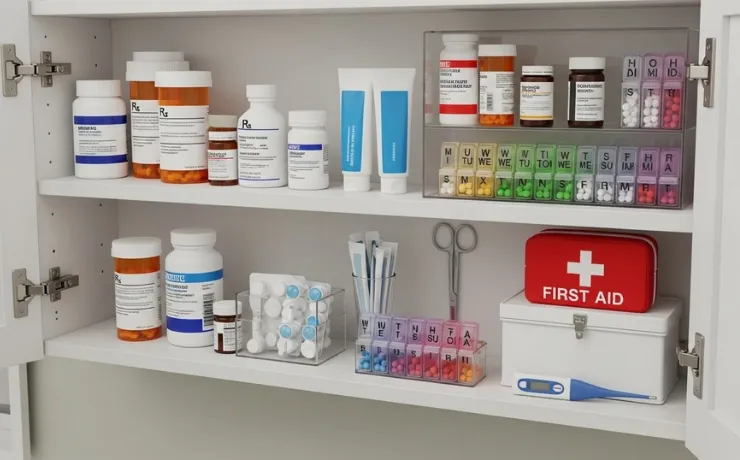
Proper Drug Storage: Are you keeping your medicines in the wrong place? Leave a comment
For many of us, the medicine cabinet is a catch-all destination. From half-finished courses of antibiotics to pain relievers, cough syrups, and vitamins, we often toss these items into a bathroom drawer or a bedside table and forget about them until we need them again. However, your medicine is a sensitive chemical compound. Just like food can spoil, medication can lose its potency, break down, or become harmful if it is not stored correctly.
At Intercare Pharmacy, we are committed to ensuring you get the full benefit of every treatment we provide. Storage is the final, often overlooked link in the chain of safe medication use. If you are keeping your medicine in the wrong place, you might be compromising your health.
Why Environment Matters: The Chemistry of Degradation
Medications are engineered to be stable under specific conditions. When you expose a drug to heat, light, or moisture, you initiate a chemical reaction that can alter the molecular structure of the active ingredients.
- Heat: High temperatures can accelerate the breakdown of many drugs, causing them to lose their effectiveness. In a city like Nairobi, where temperatures can fluctuate, storing medication in a warm room can significantly shorten its shelf life.
- Moisture: The bathroom is the most common place for medicine storage, but it is also the worst. Every time you shower, steam fills the room, creating a humid environment that can turn tablets into mush, degrade the efficacy of capsules, and encourage the growth of mold or bacteria in liquids.
- Light: Many medications are light-sensitive. UV rays can penetrate thin plastic bottles and cause oxidation, which changes the drug’s color, smell, or effectiveness.
The “Golden Rules” of Medicine Storage
1. Avoid the Bathroom and Kitchen
It may seem convenient to keep medicine in the bathroom, but the humidity is a silent enemy. Similarly, the kitchen is often too warm and exposes medications to fluctuating temperatures near the stove or oven.
2. Choose a Cool, Dry, Dark Place
The best place for your health supplies is a locked cupboard or a dedicated shelf in a cool, dry area of the house—such as a linen closet in a hallway or a bedroom drawer—that is away from direct sunlight and heat sources.
3. Keep Original Packaging
Never move your medication into different containers, “pill organizers,” or random bottles unless specifically instructed by your pharmacist. The original container is designed to protect the medicine from light and moisture. Plus, the label contains essential information, including the expiration date and dosage instructions.
4. Safety First: The “Out of Reach” Rule
If you have children or pets in the home, this is non-negotiable: all medications must be stored in a high, locked cabinet. Every year, thousands of children require emergency medical care due to accidental ingestion of medications found in accessible places.
Signs Your Medication Has Gone Bad
Even with the best intentions, it is important to inspect your medicine from time to time. Look for these warning signs:
- Physical Changes: Tablets that are crumbling, cracked, or sticking together.
- Color or Odor: Any change in the appearance of the drug or an unusual, off-putting smell.
- Consistency: Liquids that have become cloudy, separated, or have thickened.
If you notice any of these signs, do not use the medication. When in doubt, bring it to us at Intercare Pharmacy so we can verify its condition or help you safely dispose of it.
The Role of Intercare Pharmacy in Your Safety
At Intercare Pharmacy, we want to ensure you are empowered to manage your treatment safely. We don’t just fill your prescriptions; we guide you through the entire lifecycle of your care:
- Expiration Date Audits: During your next visit, feel free to bring your medicine cabinet inventory to us. We can help you check expiration dates and advise you on which items are still safe to use.
- Disposal Advice: You should never flush medication down the toilet or throw it in the trash, as this can harm the environment and pose safety risks. We provide guidance on the correct, safe methods for disposing of expired or unused medications.
- Chronic Medication Management: If you rely on chronic medication, maintaining the integrity of your supply is essential for your health. We can offer specific advice on how to store complex treatments like inhalers, insulin, or specialized liquids to ensure they remain potent until your next refill.
Action Plan for Your Home
- Do an Inventory Sweep: This weekend, take 10 minutes to gather all your medications and supplements.
- Check Expiration Dates: Dispose of anything that is past its date.
- Relocate: Move any medicines currently in the bathroom or kitchen to a cool, dry, high-up location.
- Lock Up: Ensure your new storage location is secure from little hands.
Conclusion
Proper storage is an easy, often overlooked way to protect your health and your investment in your care. By taking a few minutes to evaluate where you keep your medicines, you ensure that every dose you take is as safe and effective as the day you picked it up from the pharmacy.
At Intercare Pharmacy, your safety is our priority. If you are ever unsure about the condition of your medication or need advice on how to store a specific treatment, come and talk to us. We are here to provide the expertise and support you need to keep your home health-ready and safe.
Disclaimer: This article is for informational purposes only and does not replace professional medical advice. Always follow the storage instructions provided on the medication’s original packaging or consult with your pharmacist if you have questions about specific medications.
Do you have more questions about the safety of your medicine cabinet? I am here to help you ensure your home is as safe as possible. Would you like to discuss the specific storage requirements for common items like insulin, asthma inhalers, or liquid antibiotics?
